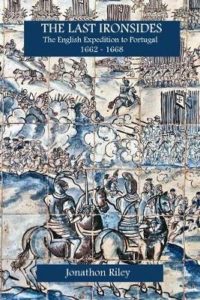
This book deals with a series of military operations that occurred in Portugal in 1762 and 1763, during the Seven Years' War, and which have been largely dismissed by the historiography. They are collectively called the Guerra Fantástica ,'Fantastical War', given the fact that the military units of the countries involved carried out multiple movements while not engaging in any battle.
Throughout the pages of this highly original and meticulously researched book, we follow the rich and fascinating history of Lisbon — European capital city and cosmopolitan metropolis — from its legendary founding by Ulysses to the present day.
Looking at recent practice in Portugal, the volume examines several cases where the body and issues of corporeality raise questions of memory, identity, experience and existence. It opens a rare window onto the distinctive Portuguese post-colonial legacy, which has given rise to an intensified search for new forms of bodily affirmation in the world. In so doing, the book conjures up the transformative power of performing arts today: from body into Being.
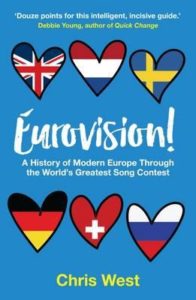
Do you think the world of the Eurovision Song Contest, with its crazy props, even crazier dancers and crazier still songs has nothing to do with serious European politics? Think again. The contest has been a mirror for cultural, social and political developments in Europe ever since its inauguration, when an audience in dinner jackets and ball-gowns politely applauded each song. It has been a voice of rebellion across the Iron Curtain, an inspiration for new European nations in the 1990s and 2000s, the voice of liberation for both sexual and regional minorities.
This is the story of the Portuguese commandos: their beginnings, their unique operations and their legacy and influence in subsequent sister units such as the Buffalo Battalion of South Africa.
This collection of essays provides both critical and interdisciplinary means for thinking across diasporic travels within the Portuguese experience and its intersection with other peoples and cultures.
This fascinating study of newspapers in 1920s Portugal explores how the new “modernist reportage” embodied the spirit of the era while mediating some of its most spectacular episodes, from political upheavals to lurid crimes of passion.
Western science and pharmacology first learned about many African diseases, remedies, and medicinal practices through José Pinto de Azeredo’s highly original and influential text. A unique Enlightenment-era medical text written specifically about health issues in Angola, this is the first work by a Portuguese physician to describe accurately, through first-hand observation, medical practices and substances used in Angola during the peak period of the transatlantic slave trade.
<em>Portuguese Film, 1930-1960: The Staging of the New State Regime</em> provides groundbreaking analysis of Portuguese feature films produced in the first three decades of the New State (<em>Estado Novo</em>), a right-wing totalitarian regime that lasted between 1933 and 1974.
Usamos cookies propias necesarias para que la web funcione y, solo si lo aceptas, cookies de Google Analytics para conocer cuántas visitas recibimos. Puedes cambiar tu elección cuando quieras desde el enlace «Cookies».
Cookie
Titular
Finalidad
Duración
ibs_consent
Iberian Book Services
Guarda tu elección sobre las cookies (necesaria).
12 meses
pll_language
Iberian Book Services
Recuerda el idioma de la web (necesaria).
12 meses
_GRECAPTCHA
Google (reCAPTCHA)
Protege el formulario de contacto frente al spam (necesaria).