Throughout the pages of this highly original and meticulously researched book, we follow the rich and fascinating history of Lisbon — European capital city and cosmopolitan metropolis — from its legendary founding by Ulysses to the present day.
Looking at recent practice in Portugal, the volume examines several cases where the body and issues of corporeality raise questions of memory, identity, experience and existence. It opens a rare window onto the distinctive Portuguese post-colonial legacy, which has given rise to an intensified search for new forms of bodily affirmation in the world. In so doing, the book conjures up the transformative power of performing arts today: from body into Being.
During the year between July 1588, when the Spanish Armada set sail from Spain and July 1589, when the survivors of the English counterpart of this fleet, the little-known English Armada, reached port in England, two of history’s worst naval catastrophes took place. A great deal of attention has been dedicated to the former and precious little to the latter. This book presents a full-scale account of an event which has been neglected for more than four centuries.
Portraits have a long history in royal courts as a way of communicating the monarch’s status, rulership, and even piety. This anthology places such art works studied in the context of their commission, production, and display.
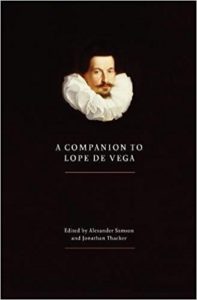
A Companion to Lope de Vega brings together work by leading international scholars on the life and writing of Lope de Vega Carpio, the 'fénix de los ingenios', a 'monstruo de la naturaleza', as he was described by his rival, Miguel de Cervantes. Spain's foremost Golden Age playwright was in addition a major artist in prose and poetry, genres also covered by the Companion.
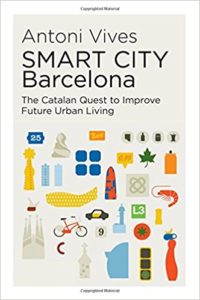
Barcelona’s transformation into the world’s leading smart city is explained by one of its chief protagonists. This an essential guide for innovation and leadership for all those who participate in the design of cities in the 21st century.
This book dissects the conspiracy against the democratic Second Spanish Republic in the context of the uprising and civil war in Seville, the capital of Spain’s largest region, Andalusia, and the most populous urban centre seized by the military rebels during the coup d’état of July 1936. As the major industrial and economic centre in insurgent Spain, Seville remains central to understanding the rebels’ repressive project, for this Andalusian province witnessed the highest number of extra-judicial assassinations throughout the war.
This book offers an interesting overview of good practices in the tourism industry. Its main strength is that its focus is not solely limited to hotels; rather, it provides several snapshots of the way economic activities of various different natures have been properly managed in order to make the Canary Islands a successful symbol of integrated tourist supply for a range of customers.
Utilizamos cookies próprios necessários para o funcionamento do site e, apenas se aceitar, cookies do Google Analytics para contar as nossas visitas. Pode alterar a sua escolha a qualquer momento no link «Cookies».
Cookie
Titular
Finalidade
Duração
ibs_consent
Iberian Book Services
Guarda a sua escolha sobre cookies (necessário).
12 meses
pll_language
Iberian Book Services
Lembra o idioma do site (necessário).
12 meses
_GRECAPTCHA
Google (reCAPTCHA)
Protege o formulário de contacto contra spam (necessário).
6 meses
_ga, _ga_*
Google (Analytics)
Estatísticas anónimas de utilização. Apenas se aceitar.