In 1923, Luis Buñuel established the Order of Toledo, a parody order of knights whose members included Salvador Dalí, García Lorca, and Rafael Alberti. Together, they often visited the ancient Spanish capital to stroll through its labyrinthine streets. But these excursions on the part of Buñuel and the Brotherhood were more than simple episodes of cultural sightseeing; they were happenings, public interventions in space.
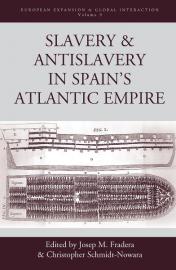
African slavery was pervasive in Spain’s Atlantic empire yet remained on the margins of the imperial economy until the end of the eighteenth century when the plantation revolution in the Caribbean colonies put the slave traffic and the plantation at the center of colonial exploitation and conflict.
Analyzing seventeenth-century images of the dead Christ produced by Gregorio Fernández,
author Ilenia Colón Mendoza investigates how and why the artist and his patrons manipulated
these images in connection with the religious literature of the time to produce striking images
that moved the faithful to devotion.
This volume brings together twenty-six essays from the world's leading scholars and practitioners of Spanish Golden Age theatre. Examining the startlingly wide variety of ways that Spanish <em>comedias</em> have been adapted, re-envisioned, and reinvented, the book makes the case that adaptation is a crucial lens for understanding the performance history of the genre.
Este volume debate o tema da construção de identidade(s), numa época em que fronteiras e globalização coexistem. Ao longo de onze capítulos, a questão é discutida de um ponto de vista pluridisciplinar, com abordagens provenientes do campo da ciência política, da história, dos estudos culturais, da geo-historiografia, dos estudos literários, da teoria e da didática da literatura, bem como da sociologia.
El presente libro analiza el papel de las mujeres realizadoras en la Historia del Cine tomando como punto de partida la obra de algunas de ellas, como María Luisa Bemberg, Anahí Berneri, Icíar Bollaín, Albertina Carri, María Cañas, Isabel Coixet, Hilda Hidalgo, Susana Koska, Claudia Llosa, Lucrecia Martel, María Novaro o Helena Taberna.
This book reveals the current state of advanced research in the field of Humanities, introducing some of the leading projects being carried out in Europe and in the Unites States by historians and philologists. These research projects have to do with corpora of medieval Romance texts (literary or linguistic), metric indexes, databases on manuscripts, printed copies, iconographic sources, digitalisations of old collections or catalogues in the main research institutions.
<em>Cultures of Anyone</em> studies the emergence of collaborative and non-hierarchical cultures in the context of the Spanish economic crisis of 2008. It explains how peer-to-peer social networks that have arisen online and through social movements such as the Indignados have challenged a longstanding cultural tradition of intellectual elitism and capitalist technocracy in Spain.
Utilizamos cookies próprios necessários para o funcionamento do site e, apenas se aceitar, cookies do Google Analytics para contar as nossas visitas. Pode alterar a sua escolha a qualquer momento no link «Cookies».
Cookie
Titular
Finalidade
Duração
ibs_consent
Iberian Book Services
Guarda a sua escolha sobre cookies (necessário).
12 meses
pll_language
Iberian Book Services
Lembra o idioma do site (necessário).
12 meses
_GRECAPTCHA
Google (reCAPTCHA)
Protege o formulário de contacto contra spam (necessário).
6 meses
_ga, _ga_*
Google (Analytics)
Estatísticas anónimas de utilização. Apenas se aceitar.