Anti-Fascism
Bringing together leading scholars from a range of nations, Rethinking Antifascism provides a fascinating exploration of one of the most vibrant sub-disciplines within recent European historiography.
See details →A monthly selection of new titles from the publishers we represent.
Bringing together leading scholars from a range of nations, Rethinking Antifascism provides a fascinating exploration of one of the most vibrant sub-disciplines within recent European historiography.
See details →Western science and pharmacology first learned about many African diseases, remedies, and medicinal practices through José Pinto de Azeredo’s highly original and influential text. A unique Enlightenment-era medical text written specifically about health issues in Angola, this is the first work by a Portuguese physician to describe accurately, through first-hand observation, medical practices and substances used in Angola during the peak period of the transatlantic slave trade.
See details →Contemporary Spain and Portugal share a historical experience as Iberian states which emerged within the context of al-Andalus. These centuries of Muslim presence in the Middle Ages became a contested heritage during the process of modern nation-building with its varied concepts and constructs of national identities. Politicians, historians and intellectuals debated vigorously the question how the Muslim past could be reconciled with the idea of the Catholic nation.
See details →O estudo investiga, de uma perspectiva ibérica, o recurso às figuras míticas nas literaturas espanhola e portuguesa do século XX. Exploram-se, por um lado, as construções mútuas de identidade e alteridade e, por outro, os temas que se discutem mediante estas figuras.
See details →Incorporating local, national and international dimensions of the conflict, Gibraltar and the Spanish Civil War, 1936-39 provides the first detailed account of the British enclave Gibraltar's role during and after the Spanish Civil War.
See details →In 1923, Luis Buñuel established the Order of Toledo, a parody order of knights whose members included Salvador Dalí, García Lorca, and Rafael Alberti. Together, they often visited the ancient Spanish capital to stroll through its labyrinthine streets. But these excursions on the part of Buñuel and the Brotherhood were more than simple episodes of cultural sightseeing; they were happenings, public interventions in space.
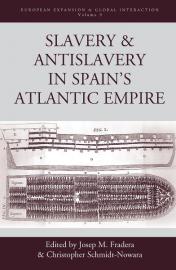
See details →African slavery was pervasive in Spain’s Atlantic empire yet remained on the margins of the imperial economy until the end of the eighteenth century when the plantation revolution in the Caribbean colonies put the slave traffic and the plantation at the center of colonial exploitation and conflict.
See details →Analyzing seventeenth-century images of the dead Christ produced by Gregorio Fernández, author Ilenia Colón Mendoza investigates how and why the artist and his patrons manipulated these images in connection with the religious literature of the time to produce striking images that moved the faithful to devotion.
See details →We use our own cookies that the site needs to work and, only if you accept, Google Analytics cookies to count our visits. You can change your choice at any time from the "Cookies" link.
| Cookie | Provider | Purpose | Duration |
|---|---|---|---|
| ibs_consent | Iberian Book Services | Stores your cookie choice (necessary). | 12 months |
| pll_language | Iberian Book Services | Remembers the site language (necessary). | 12 months |
| _GRECAPTCHA | Google (reCAPTCHA) | Protects the contact form against spam (necessary). | 6 months |
| _ga, _ga_* | Google (Analytics) | Anonymous usage statistics. Only if you accept. | 2 years |