Tag: Peter Lang International

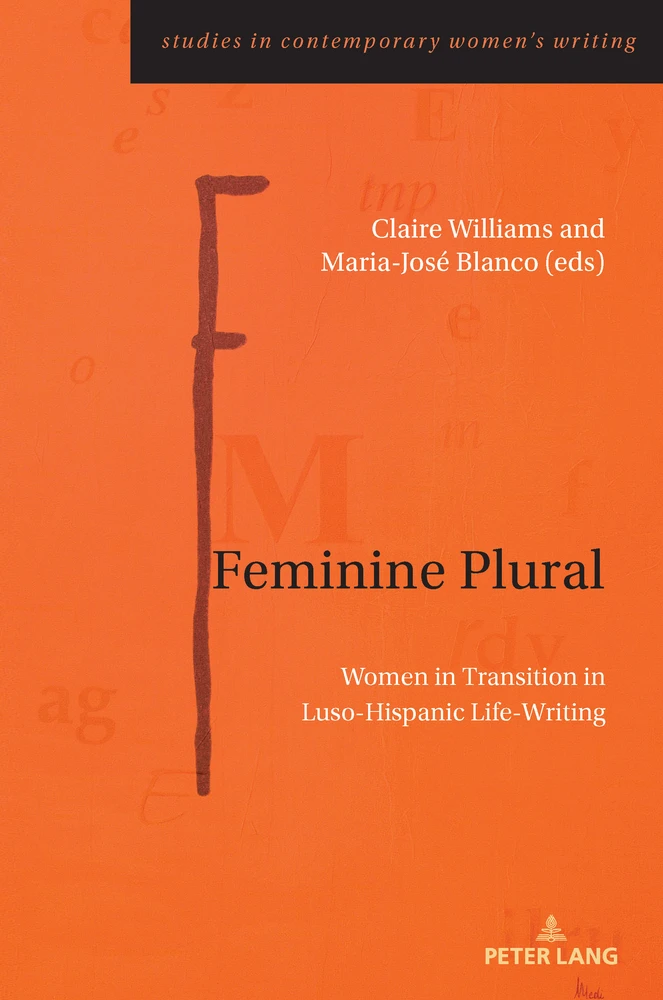
Feminine Plural

Women in Transition in Luso-Hispanic Life-Writing In the short period since our volume Feminine Singular came out, life-writing by women in the Luso-Hispanic world has proliferated, justifying another book of essays on the topic. Not only are more women choosing…

See details →
Más allá del canon

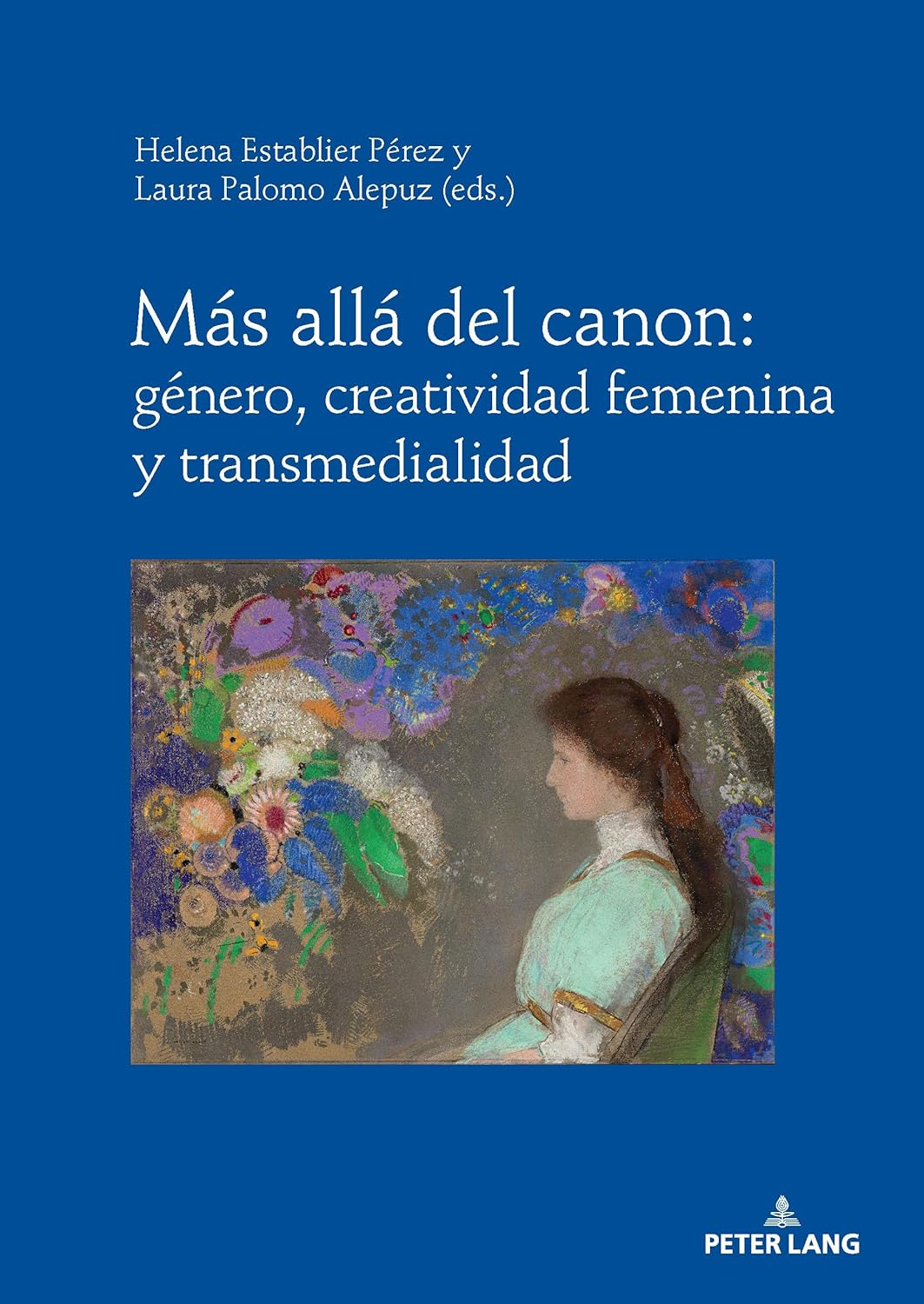
Este volumen pretende contribuir al reposicionamiento de las mujeres en la historia del arte, como creadoras, en primera instancia, pero también como objetos de las representaciones que de ellas ha generado secularmente nuestra cultura, dando lugar a imágenes, visiones, símbolos, mitos, etc. que nos acompañan hasta la actualidad y determinan los roles de género en los que nos reconocemos.

See details →

The Late Postcolonial Condition

This analysis of fictional narratives from Angola, Mozambique, Cape Verde, Guinea Bissau, and São Tomé and Príncipe establishes a much-needed critical reassessment of the theoretical framework of postcolonial studies used to trace the development of key tropes within these national literary systems, including nation building, the role of violence and economic exploitation in the postcolonial age.

See details →

Juan Muñoz

This book, the first in-depth study of the central idea of silence in Muñoz’s work, aims to position him more clearly within his historical moment, by reading his work against the silences of Spanish politics and culture in post-Civil War Spain.

See details →

Antonio Buero Vallejo

This book explores Antonio Buero Vallejo’s use of the theater for historical memory activism and the role this function had in his formation as a tragedian.

See details →

The Power of the Image in the Work of Lídia Jorge

Radiating from the initial image, Lídia Jorge manages to develop a gaze which is simultaneously critical, thorough and informative. Scholars point out that whenever language opens to universal images and mythologies capable of conveying visions of clarity, the subversive power of beauty is re-asserted. This power is confirmed and examined from different points of view and theories in this volume.

See details →

Lorca’s Immanent Mysticism

This groundbreaking study places Lorca not only within a contemporary spectrum of Modernist production, but, more importantly, within the framework of a new mysticism for our time.

See details →