
 |
Authors: David Vila Dieguez, Isabela Raygoza
ISBN: 9798887441047
Format: Paperback
Extent: 256 pp
Price: £23.99
Publication: December 2025
Publisher: Pm Press
|
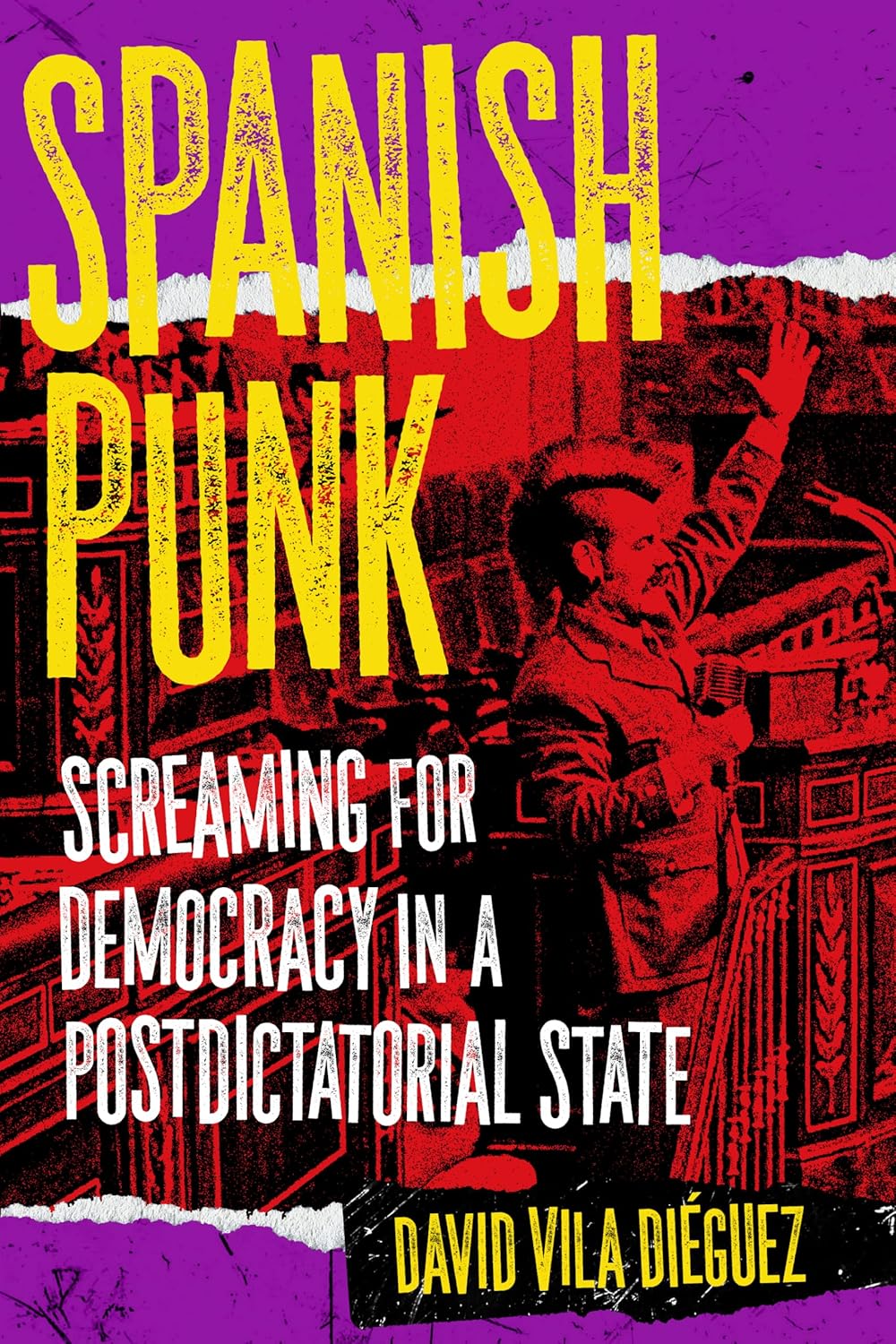
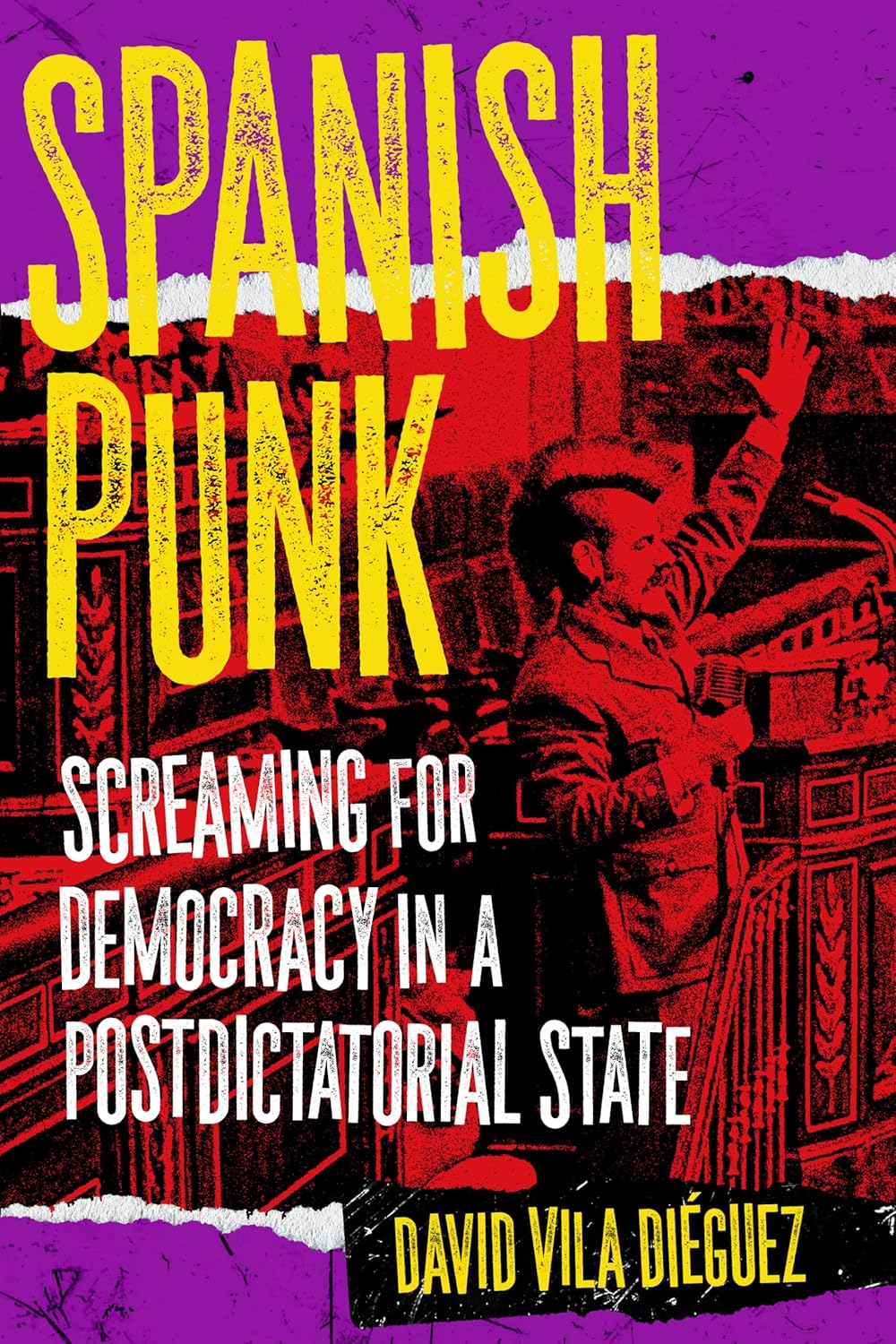
Screaming for Democracy in a Postdictatorial State
It’s 1975. Spanish dictator Francisco Franco dies and Spain begins transitioning to a democratic state. Spaniards are faced with a titanic task: they need to design a new democratic state after an almost forty-year-old dictatorship. What should this new state look like? What would make it a ‘democratic’ one? These and similar questions triggered many heated discussions over the next few years. It is also during this time that punk culture developed in Spain and – as one would expect – the action of questioning and challenging the new state being created became a defining characteristic of the movement.
Taking the unique case of Spanish punk as its object of study, Spanish Punk: Screaming for Democracy in a Postdictatorial State explores the political relevance of the punk phenomenon in Spain and pays special attention to its connections with contemporary social and political movements and antiestablishment political identities.
Combining textual, historical, philosophical, and musicological readings, this book shows that punk represents a determinant cultural glue that kept many political movements together and the cultural axis from which many of the contemporary social movements emerged. To do so, it studies punk through music, fanzines, testimonies from various people involved in Spanish punk culture, an analysis of the ways of life derived from it, and more.
This long overdue study of Spanish punk fills an important gap in punk-related scholarship as well as in Spanish cultural studies.
Spanish Punk: Screaming for Democracy in a Postdictatorial State is a compelling and essential contribution to punk scholarship, highlighting the empowering and revolutionary nature of Spanish punk culture. David Vila Diéguez charts a historical analysis of the development of Spanish punk culture following the Francoist dictatorship, documenting music, zines, and scene culture. He contextualizes Spanish punk culture within a broader framework of cultural studies and anarchist studies and draws upon theorists such as Walter Benjamin, along with work from subcultural scholars Crucially, this book elevates anticapitalist and antineoliberal actions that coordinate and calibrate across contemporary intersectional social movements and politics. Engaged agency and direct action reverberate throughout this book, making it an essential text. Caroline K. Kaltefleiter, coeditor of the Punk and Anarchism book series, director of the Anarchist Studies Research Program, SUNY Cortland
Spanish Punk should prove a fascinating read for anyone interested in punk beyond the well-documented US and UK contributions to the subculture. Focusing on post-Franco Spain, David Vila Diéguez weaves musicology, philosophy, and historical contexts into a compelling tapestry of a punk movement that emerged in the wake of literal fascism. He describes the sociopolitical and economic climate, breaks down lyrics, and even goes so far as to analyze album art as one might a painting. Vila Diéguez’s approach is academic, intellectual, and, most importantly, captivating. Kyle Decker, author of This Rancid Mill
A fine journey through a misunderstood and ignored punk epoch that needs a searchlight just like this to illuminate the cultural concerns and political issues, regional conflicts and fragmented history. With a knack for both academic insight and observational detail, seen in a lens on La Polla Records and others. Spanish Punk is must-have for those seeking to understand how punk unfolded in a crises ridden time and place struggling to escape the throes of fascism. David Ensminger, author of Left of the Dial: Conversations with Punk Icons
An insightful dissection of Spanish punk and its various factions, with an equally riveting examination of the politics that influenced the emergence of this multi-faceted music scene. David Vila Diéguez merges history with cultural criticism to illuminate a significant era in Spain that brought forth one of the most influential punk movements in the world. This book is a quintessential must-read for punk history nerds and fans of Spanish punk. Stephanie Mendez, award-winning music journalist and producer


